
Japan Travel Mistakes
Twelve things tourists should never do in Japan. A travel documentary made in VIA, with real footage instead of drawn scenes.
The brief
A classic travel-channel format: money, trains, luggage, hotels, tipping, restaurants, chopsticks, eating in the street, temples, bathhouses, rail passes and the last train home. Each mistake gets the reason behind it and what to do instead. Viewers of this kind of channel expect real places, cut quickly, with the useful detail on screen when it is said.
Drawing all of that would be the wrong tool. A travel video has to look like the country. So this project was set to mixed pictures: footage first, and VIA draws only what footage cannot show.
The footage, scene by scene.
Before anything is drawn, VIA plans every scene: real footage where it exists, archive photos for specific places, maps for where, graphics for numbers and rules.
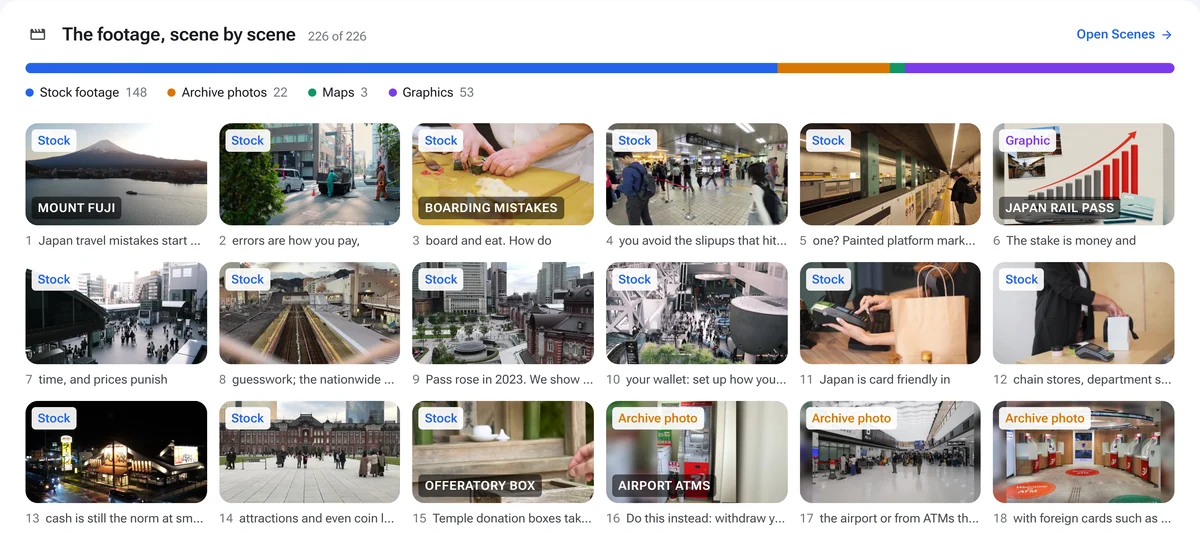
Footage thumbnails: stock licensed from Envato and Pexels for this production.
Footage that matches the words
For each line VIA searches for footage of exactly what is said, in the right country: the ATM in a convenience store, the painted marks on a train platform, a temple’s offering box. Clips from the wrong country are thrown out. The footage for this film came from stock libraries and was licensed for it, with each licence kept with the project.
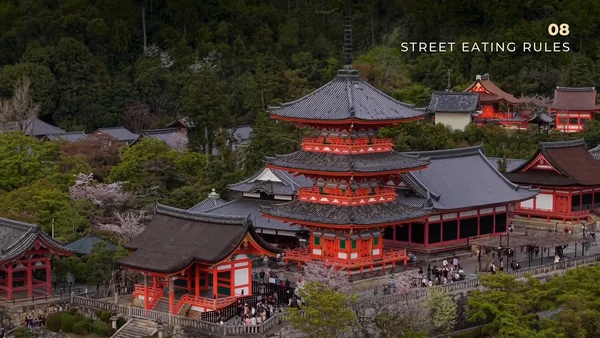
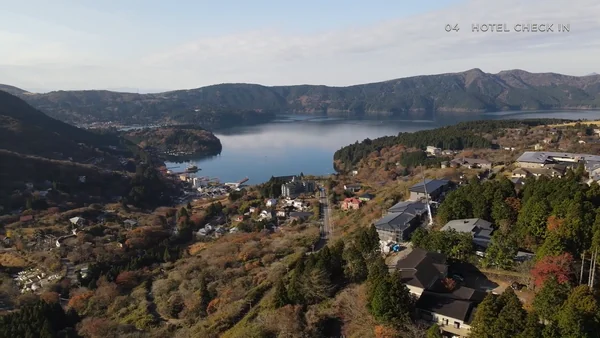
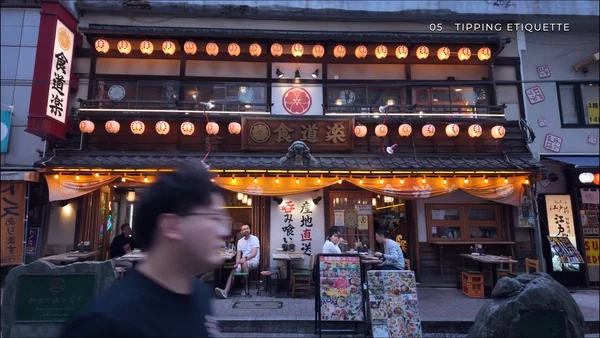
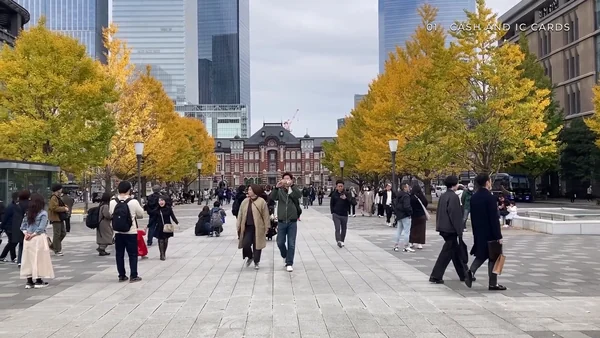
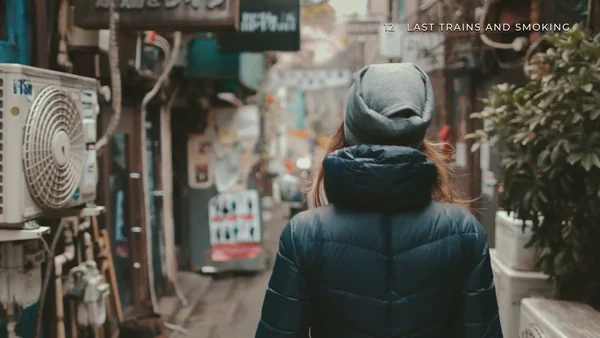
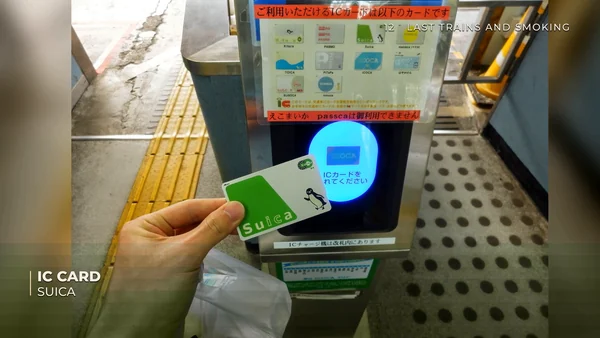
Stock footage licensed from Envato and Pexels for this production. Chapter labels and names on screen added by VIA.
Graphics where footage cannot say it
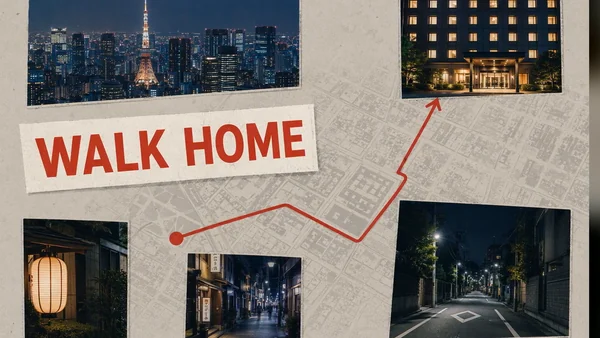
Some lines are a number, a word or a rule: carry about 10,000 to 20,000 yen, say “sumimasen,” be at your transfer by 11 pm. For those VIA draws a graphic in one consistent collage style for the whole film, with the words spelled right and the place in the picture. Maps show where a chapter happens.
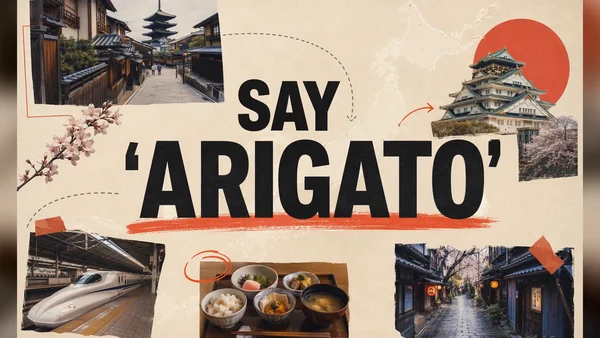
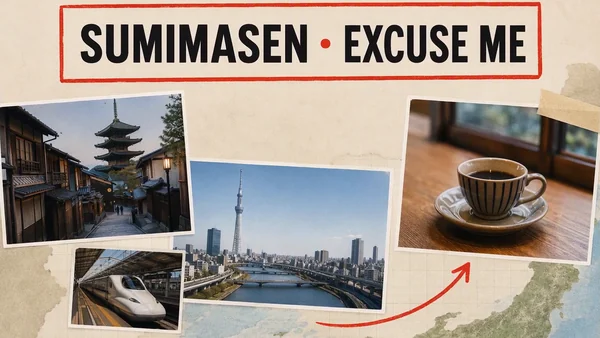
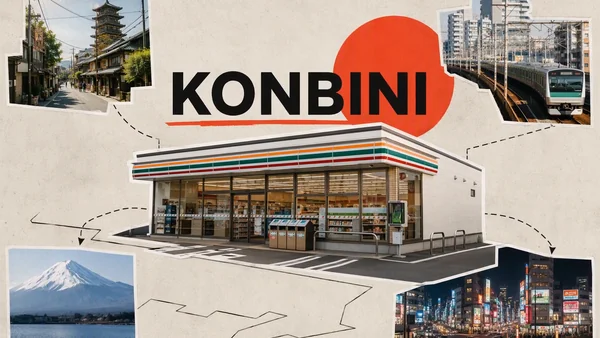
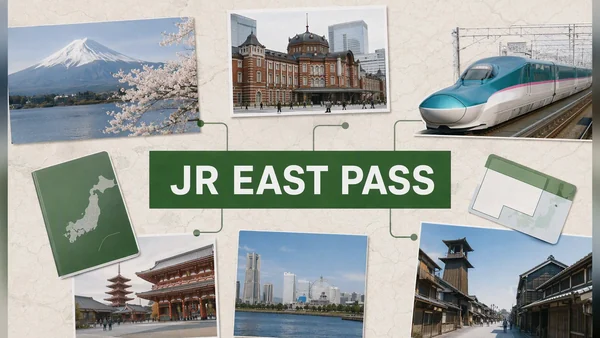
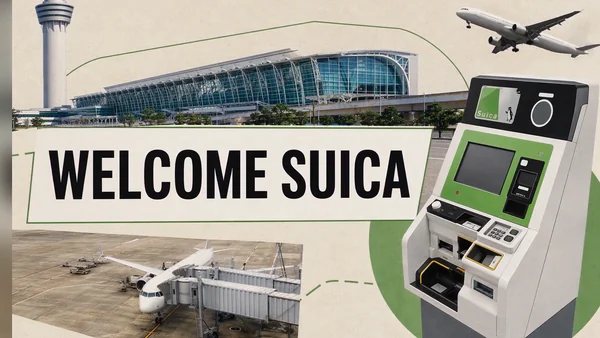
Scenes: swap what does not fit
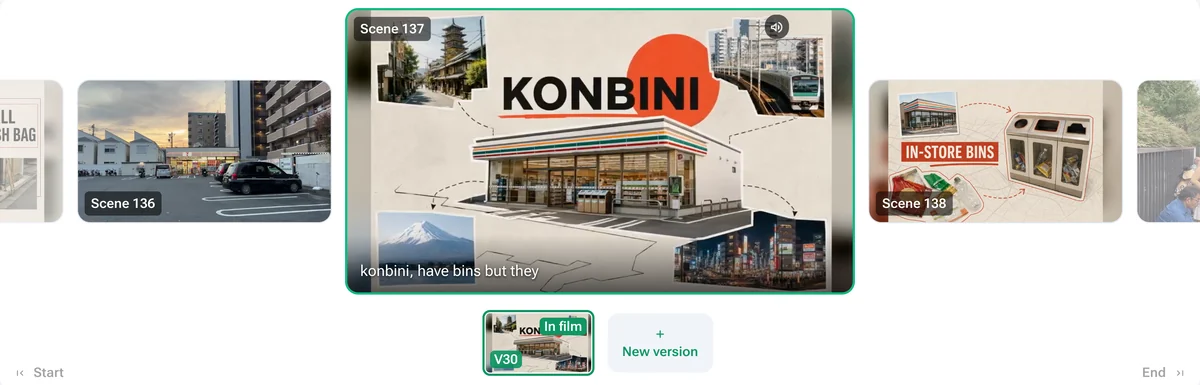
In Scenes every shot sits on its line. If a clip is not right, one click finds other footage for the same line; a graphic can be changed in plain words like any drawn scene.
Film: paced like the channel
The film was cut at the pace of the channels it sits next to, a new shot every few seconds, with gentle movement on photos and graphics and none added to real footage. Chapter titles mark each of the twelve mistakes.
What it shows
- Not every video should be drawn. VIA can build a film from real footage and draw only the gaps.
- The script still leads. Footage is chosen for the line, not dropped in as filler.
- One style for the graphics. Fifty-three graphics that look like they belong to one film.
- Licences kept. Stock footage is licensed per film, and the proof stays with the project.
See also the travel channels use case, and our other test productions: 24 Hours in Ancient Rome and Lulu and the Lost Duckling.